The Science of Noise Masking: Why White Noise Actually Works
White noise does not sedate you. It does something more specific: it changes what your brain has to notice. Your auditory system stays genuinely active all night, scanning for change — and a steady sound floor gives it less to scan for.
The Actual Mechanism: Auditory Masking
Sleep researchers use the term to describe how much a sound has to stand out before it wakes you. In light sleep, that threshold is low — a door closing two rooms away can cross it. The mechanism behind white noise is called auditory masking: a steady, broadband sound raises the effective threshold by narrowing the gap between “background” and “disruption.” A dog barking against silence is a sharp contrast. The same bark against a steady sound floor is a much smaller jump — and smaller jumps are less likely to pull you out of sleep.
This isn’t just theory. A controlled trial found broadband sound administration measurably reduced how long it took healthy subjects to fall asleep, and research in a high-noise NYC environment found white noise reduced the sleep disruption ordinarily caused by intermittent environmental noise. The effect is real and has been measured directly, not just reported anecdotally.
2026 research identified a specific neural pathway responsible for noise-triggered waking: sound mismatched against the background activates glutamatergic neurons in the paraventricular thalamus, which project to and activate neurons in the lateral septum — and directly blocking this pathway measurably reduced both the likelihood and speed of noise-induced waking. This is a genuinely different kind of evidence than “people report sleeping better” — it identifies the actual circuit doing the work, and confirms that quieting it, not just adding sound in general, is what actually protects sleep continuity.
White, Pink, and Green Noise Are Not Interchangeable
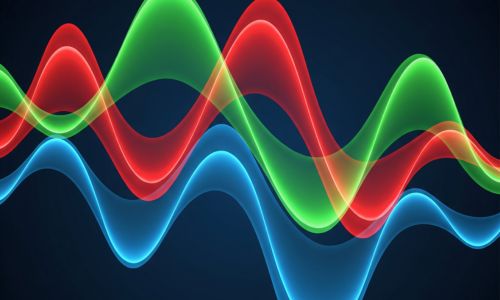
White noise spreads energy equally across every audible frequency — a genuinely flat, uniform sound, which is precisely what makes it effective at masking a wide range of disruptive sounds. Pink noise carries more energy in lower frequencies, giving it a deeper, less hissy character; research has specifically found steady pink noise associated with reduced EEG complexity and more stable sleep in trial settings. Green noise sits in the mid-range, closer to the sound of wind or flowing water, and tends to be the one people describe as most pleasant — though direct sleep research on green noise specifically is still limited compared to white and pink.
Masking works by reducing contrast, not volume — louder is not automatically more effective, and consistently loud exposure over many hours has its own long-term hearing considerations worth being mindful of. Which type (white, pink, green) works best is genuinely individual; there isn’t strong evidence one is objectively superior for everyone.
- 1White noise works through auditory masking — raising your arousal threshold by narrowing the gap between background and disruptive sound, not by blocking sound outright.
- 2Controlled trials have measured real reductions in sleep-onset time and noise-related disruption from broadband sound, not just anecdotal reports.
- 32026 research traced noise-triggered waking to a specific neural pathway (thalamus to lateral septum), and directly blocking it reduced arousal — genuine circuit-level evidence, not a vague startle theory.
- 4White, pink, and green noise differ in actual frequency balance, not just branding — pink noise specifically has trial evidence for more stable sleep.
- 5Masking works through reduced contrast, not raw volume — louder is not automatically more effective, and which specific type works best is genuinely individual.