How to Naturally Increase Melatonin Levels
Before any question about foods or timing, there is a more important one: can you actually trust what is on a melatonin bottle’s label? For most supplements, the honest answer is no — and that fact matters more to your sleep than almost any other melatonin advice you will read.
Because melatonin is sold as a dietary supplement, not a medication, it is not held to the same manufacturing standard the FDA requires for drugs. A peer-reviewed analysis of 31 commercial supplements found that 71% did not match their label within a 10% margin — actual content ranged from 83% less to 478% more than what the bottle claimed. Lot-to-lot variation within the exact same product reached 465%, meaning two bottles of the same brand could contain meaningfully different doses.
The same study found something more concerning: 26% of tested products contained detectable serotonin, an ingredient that has no business being in a melatonin supplement and carries its own risks. A follow-up 2025 study found similar labeling problems persist, along with measurable melatonin degradation over time — meaning an older bottle may contain meaningfully less than a fresh one, regardless of what the label says.
Look for the mark specifically. It is the one widely available signal that a product’s actual content has been independently checked against its label — not a guarantee of effectiveness, but a real reduction in the risk of the mismatches described above.
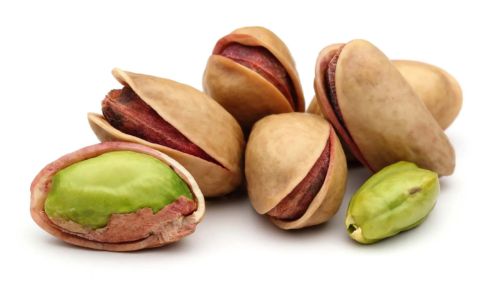
Foods marketed as melatonin sources — tart cherries, pistachios, eggs — do genuinely contain trace melatonin, measured in nanograms. A typical supplement dose is measured in milligrams: thousands of times more concentrated. Eating melatonin-containing foods supports general nutrition; it is not a meaningful substitute for a therapeutic dose, and no amount of pistachios will match what a 1mg tablet delivers.
This matters for a specific reason: lower doses are often just as effective as higher ones. Research consistently uses doses in the 0.3–3mg range with strong results — well below what many commercial products actually contain. More is not automatically better with melatonin, which makes accurate labeling even more important than it would be for a supplement where dose-response is more linear.
ADHD is associated with a disturbed melatonin secretion profile, connecting directly to the delayed circadian rhythm covered in our exercise timing guide. The evidence base here is real but less extensive than for autism specifically.
Likely combines both patterns — a genuine production deficit plus a delayed rhythm. Given the labeling issues above, starting with a low, precisely dosed product and tracking your own response matters more here than following a generic recommendation.
One of the best-studied sleep interventions for this population specifically — some autistic people carry mutations in an enzyme involved in melatonin production, meaning supplementation may be addressing a genuine biological deficit rather than simply masking a symptom. Multiple randomised controlled trials and meta-analyses support this specifically for autism, more robustly than for most other sleep interventions covered on this site.
- Look for USP Verified on the label before anything else — the single most useful, checkable signal of label accuracy.
- Start low — 0.3–1mg, not the 5–10mg often sold as a ‘standard’ dose. Higher is not more effective and increases the consequences of a mislabeled product.
- Timing depends on your goal — taken shortly before bed, melatonin acts as a sleep signal; taken several hours earlier, it works more to shift your circadian clock. These are different uses, not interchangeable.
- Protect your own production first — dim light and darkness in the evening, covered in our midnight sensory nest guide, support the melatonin your body already makes before adding a supplement to the mix.
- 171% of tested melatonin supplements did not match their label within 10% — actual content ranged from 83% under to 478% over the stated dose.
- 2 is the one practical, checkable signal of label accuracy — brand reputation is not a reliable substitute.
- 3Lower doses (0.3–3mg) are often as effective as higher ones — more is not automatically better with melatonin specifically.
- 4Autism has one of the strongest sleep-intervention evidence bases on this entire site — tied to a genuine biological mechanism in some autistic people, not just a general recommendation.
- 5Food sources of melatonin are trace amounts, thousands of times weaker than a supplement dose — useful nutritionally, not a substitute for a therapeutic dose.
Delayed melatonin onset is a documented pattern in ADHD specifically — the circadian mechanism behind it, covered in full.
Read the Exercise Timing Guide