Amber and Red Light for Sleep: What Actually Matters
Knowing blue light disrupts melatonin is only half the picture. The other half is what to actually put in the lamp instead. Amber light isn’t just “not blue” — it sits at a specific point on the spectrum that’s been directly tested against blue, green, and red, with real numbers behind how much less it disrupts your body’s sleep signal.
The Wavelength Research, Specifically for Amber
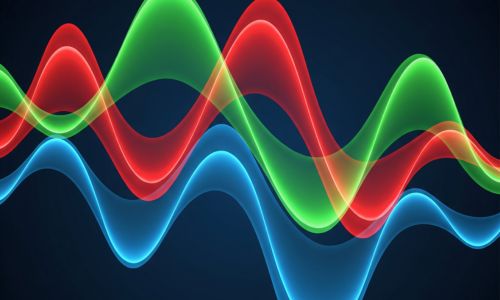
The light-sensitive cells behind circadian signaling — covered in full in our morning light guide — are most sensitive to wavelengths around 480 nanometers, squarely in the blue range. A controlled study directly compared five specific wavelengths for melatonin suppression: red (660nm), amber (595nm), green (525nm), blue-green (497nm), and blue (470nm). The result was not subtle. The three shorter wavelengths — blue, blue-green, and green — suppressed melatonin by 65% to 81%. Amber, sitting well outside that short-wavelength range, showed dramatically less suppression.
Worth being honest about the fine print: red light, at the longest wavelength tested, showed the least suppression of all five colors — technically outperforming amber. But the practical gap between red and amber is modest, and amber has a real advantage red doesn’t: it still looks like ordinary warm light, not a distinctly reddish room, which matters if you’re lighting a space you’ll actually use in the evening rather than just a single nightlight.
Two Different Jobs, Two Different Products
Replacing the main bulbs in a room you actually use in the evening — a living room lamp, a bedside light for reading — is a different problem from lighting a hallway or bathroom for an occasional nighttime trip. The first calls for a genuine bulb replacement, bright enough for real evening tasks. The second calls for something small, automatic, and unobtrusive that you don’t have to think about.
| Product | Specs | Best for | Approx. price |
|---|---|---|---|
| BlockBlueLight Sweet Dreams Bulb | 1800K, peak wavelength 599nm — almost exactly the 595nm amber tested in the research above | Full bulb replacement for deliberate evening lighting | ~$25–35 |
| GE SleepLite Dusk-to-Dawn Night Light | Amber LED, built-in light sensor, UL-listed, high/low brightness | Automatic, unobtrusive nighttime navigation | ~$10–15 |
Amber and red light still produce visible light, and for some people any light at all in the hour before bed feels disruptive regardless of color, especially alongside the sensory sensitivities covered in our autism and sleep guide. Amber and red light minimize the melatonin-suppression problem specifically — they aren’t the same as darkness, and won’t solve a general light-sensitivity issue on their own.
- 1A controlled study directly tested five wavelengths and found blue, blue-green, and green light suppressed melatonin by 65% to 81%, while amber (595nm) showed dramatically less.
- 2Red light technically suppresses melatonin slightly less than amber, but the practical difference is modest — amber still looks like ordinary warm light, which matters for rooms you actually use in the evening.
- 3A full bulb replacement and an automatic nightlight solve genuinely different problems — deliberate evening lighting versus occasional nighttime navigation.
- 4Amber and red light reduce melatonin suppression specifically — they are not the same as darkness, and won’t resolve a broader light-sensitivity issue on their own.